

Health systems are increasingly evaluated through the lens of CMS quality measures, regulatory compliance, and value-based performance. Clinical improvement efforts must therefore demonstrate alignment with these external expectations—not just internal goals. Curbside case studies focus on real-world use cases where governed clinical pathways support CMS-relevant outcomes, including quality, safety, utilization, and consistency of care. Rather than isolated anecdotes, these case studies highlight structural improvements that enable sustained performance across service lines and care settings.
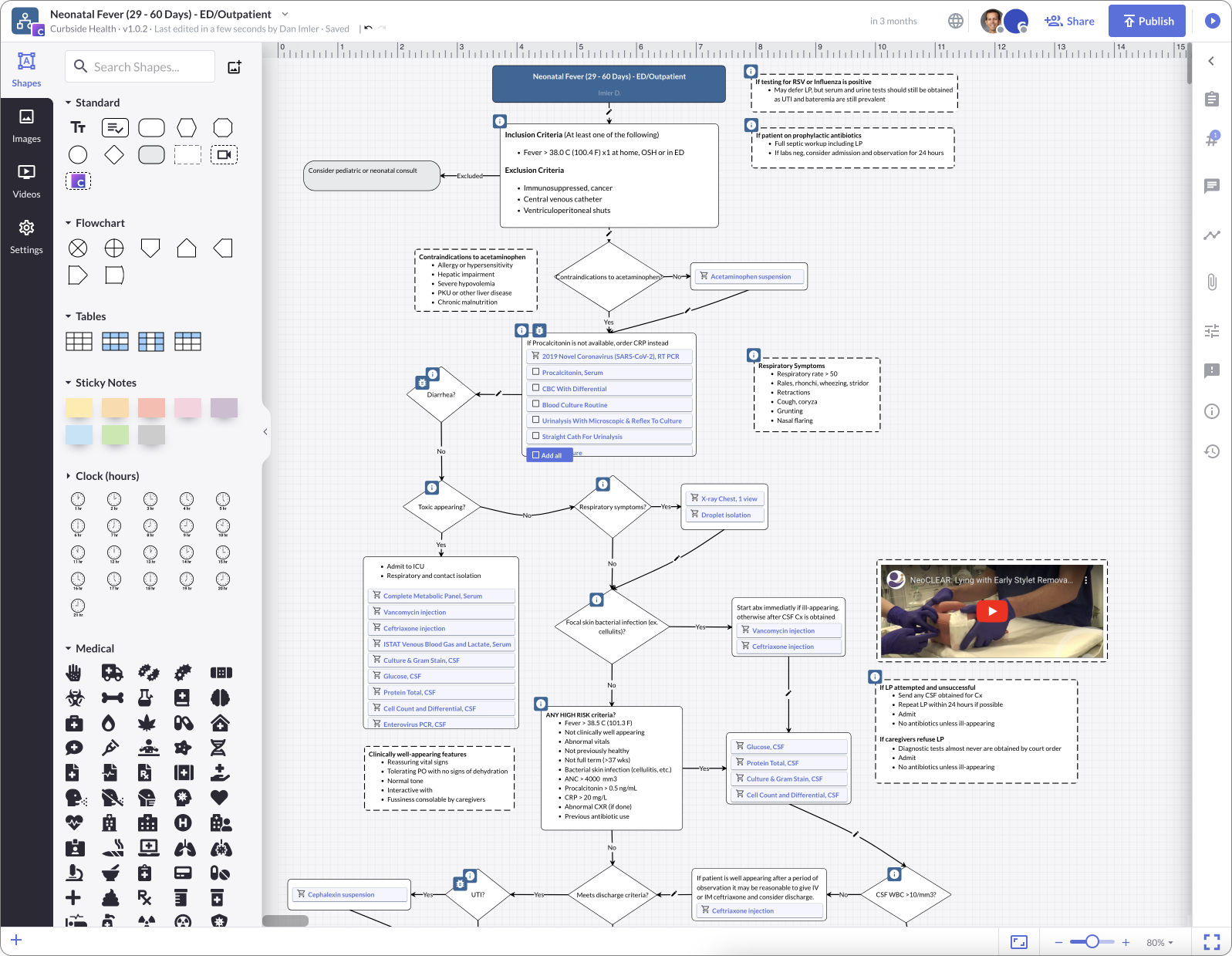
What These Case Studies Demonstrate
Healthcare doesn’t need black boxes. It needs clarity, transparency, and accountability.

1
How clinical pathways reduce unwarranted variation
2
How standardized guidance supports CMS quality measures
3
How governance improves audit readiness and defensibility
4
How EHR-integrated guidance supports adoption and reliability
5
How systems scale improvement without increasing cognitive burden
Selected Focus Areas
1
Quality and safety measures
2
Utilization and length-of-stay drivers
3
Antimicrobial stewardship and compliance
4
Clinical documentation and defensibility
5
Standardization across sites of care
How to Use These Case Studies
Inform enterprise quality strategy
Support leadership and board discussions
Guide pathway prioritization
Align clinical, operational, and regulatory stakeholders
Explore Related Insights & Case Studies


Clear Thinking for Complex Clinical Systems
Each Insight explores a specific challenge or opportunity facing modern health systems—grounded in clinical reality, policy context, and operational constraints. Rather than offering generic recommendations, Insights focus on underlying structures: how decisions are shaped, how variation emerges, and how systems can be designed to support reliability, accountability, and sustainable performance.
Insight
CMS Measures Don’t Fail—Systems Do
When organizations miss CMS targets, the reflex is often to blame documentation, coding, or compliance. More often, the root cause lies in system design.
Insight
Why Clinical Variation Is Expensive (And Why Most Organizations Underestimate the Cost)
Unwarranted clinical variation is often discussed as a quality issue. In reality, it is one of the most powerful—and least visible—drivers of cost, capacity loss, and clinician burnout in healthcare.
Insight
Clear Thinking for Complex Clinical Systems
Each Insight explores a specific challenge or opportunity facing modern health systems—grounded in clinical reality, policy context, and operational constraints. Rather than offering generic recommendations, Insights focus on underlying structures: how decisions are shaped, how variation emerges, and how systems can be designed to support reliability, accountability, and sustainable performance. Articles may draw on clinical experience, health policy, quality measurement, and systems thinking to surface practical lessons for leaders responsible for care delivery and outcomes.
Insight
Case studies grounded in what matters most in healthcare today
Health systems are increasingly evaluated through the lens of CMS quality measures, regulatory compliance, and value-based performance. Clinical improvement efforts must therefore demonstrate alignment with these external expectations—not just internal goals. Curbside case studies focus on real-world use cases where governed clinical pathways support CMS-relevant outcomes, including quality, safety, utilization, and consistency of care. Rather than isolated anecdotes, these case studies highlight structural improvements that enable sustained performance across service lines and care settings.
Case Study
